Bedding · Materials and construction
How Latex Mattress Layers Shape Support and Airflow
A mattress is less a single object than a small landscape: a surface, a set of transitions, and a foundation beneath them. In a latex mattress, the arrangement of those layers can influence how the bed responds to pressure, how it feels to move across, and how readily warmth and moisture escape.
Latex has an unusually legible personality. Press a hand into it and it yields; lift the hand and it springs back with a promptness that can make slower, more enveloping foams seem almost contemplative. That responsiveness is one reason latex appears in mattresses, pillows, and cushioning. It is also why the phrase “latex mattress” can be misleadingly simple. The feel of a mattress depends not just on whether it contains latex, but on how much, where it sits, what lies above and below it, and how the material is made.
For someone comparing mattresses, the layer diagram is a kind of map. A comfort layer near the top may soften the first impression and cushion pressure at the shoulders or hips. A deeper layer may contribute stability and keep the sleeper from sinking too far. The cover, quilting, and foundation matter too. The result is not a material acting alone but a stack of materials negotiating with a body.
This guide considers how latex mattress layers shape support and airflow, what construction details are worth asking about, and how latex compares with traditional fillings such as wool, cotton, and horsehair. The point is not to declare a universal winner. Sleep preferences are personal, and “natural” is not a synonym for ideal. A useful comparison starts with clear descriptions of composition, construction, care, and the qualities a sleeper actually values.
What latex does under pressure
Latex is a resilient foam material. In a mattress, it compresses where weight is applied and tends to recover its shape when that weight moves. That quick recovery creates a buoyant, responsive sensation. Rather than slowly settling around the body, as some memory foams do, latex often seems to push back more readily. People who change position during the night may appreciate that ease of movement; others may prefer the close, slower contouring of a different material.
“Support” is often used as if it were a single property, but it describes several experiences at once. A bed should provide enough cushioning for a sleeper’s pressure points while keeping the body from settling into an uncomfortable position. The amount and distribution of pressure vary with body shape, sleep posture, mattress dimensions, and personal preference. A side sleeper may notice pressure at the shoulder and hip; a back sleeper may pay more attention to the relationship between the lower back and the surface. No material label, including latex, can establish on its own whether a particular mattress will suit a particular person.
Latex’s resilience can help a mattress feel lively and less “stuck,” but it does not automatically mean firm or soft. Firmness is affected by the formulation, the thickness of each layer, the way layers are joined, and the supporting base. A thick, softer upper layer over a firmer core can feel quite different from a thin latex surface over a yielding foundation. Even two mattresses described as having latex may have noticeably different constructions.
The architecture of a latex mattress
It helps to think in terms of zones, even when a mattress is not formally divided into named zones. At the top is the sleep surface: the cover and any quilting, padding, or comfort material immediately beneath it. Below that may sit one or more latex layers, followed by a core or base designed to provide a steadier platform. Some mattresses use a single substantial latex core; others combine layers of different thicknesses or firmnesses. Still others pair latex with materials such as wool, cotton, or other foams.
The uppermost layer tends to be especially noticeable because it is the first part of the mattress to meet the body. A relatively soft comfort layer may create a more cushioned initial feel. A thinner or firmer layer may make the surface feel more direct. Yet the experience cannot be read from the top layer alone. A sleeper compresses the mattress through its depth, and the layers beneath influence how much the top gives way and how quickly the whole structure rebounds.
Thickness matters in relation to firmness, not as a substitute for it. A thicker layer offers more material through which the body can settle, but its effect depends on the layer’s firmness and the support beneath it. A thin layer of soft latex over a very firm base can feel unlike a deeper soft layer over a more yielding core. When specifications are available, look for the thickness of each layer and, where provided, a clear description of firmness or density. If a manufacturer offers only broad adjectives, the construction may be harder to compare.
Layer placement also shapes transitions. A mattress with a distinct comfort layer above a firmer support layer may produce a more noticeable change in feel as the body sinks. A more uniform construction may feel consistent from surface to core. Neither arrangement is inherently better. The relevant question is whether the sleeper likes a surface that feels gently cushioned, closely contoured, buoyant, or comparatively even.
Some layered designs are made so that components can be rearranged or replaced; others are permanently assembled. If adjustability is part of the appeal, ask what changes are possible, whether the layers are genuinely interchangeable, and how a replacement would affect the mattress’s support. A stack of removable components can offer flexibility, but flexibility is useful only when the options and their consequences are clearly explained.
Airflow, warmth, and the importance of the whole bed
Latex is often described as breathable, but airflow is not a simple property that can be inferred from the material name. The design of the foam, including its internal structure, can influence how air moves within it. So can the thickness and arrangement of the layers. A mattress with a breathable latex layer may still feel warm if it is covered by dense quilting, placed on a poorly ventilated base, or used with heavy bedding in a warm room.
Ventilation is also not the same thing as a promise to sleep cool. Heat perception depends on the sleeper, the room, the mattress cover, sheets, blankets, and the way moisture is managed. A mattress may allow some air movement while still feeling warm to someone who prefers a crisp, cool surface. Conversely, a person who sleeps comfortably on it may have little interest in the material’s laboratory-sounding descriptions. The more useful task is to assess the complete sleep system rather than asking a single fiber or foam to solve every temperature concern.
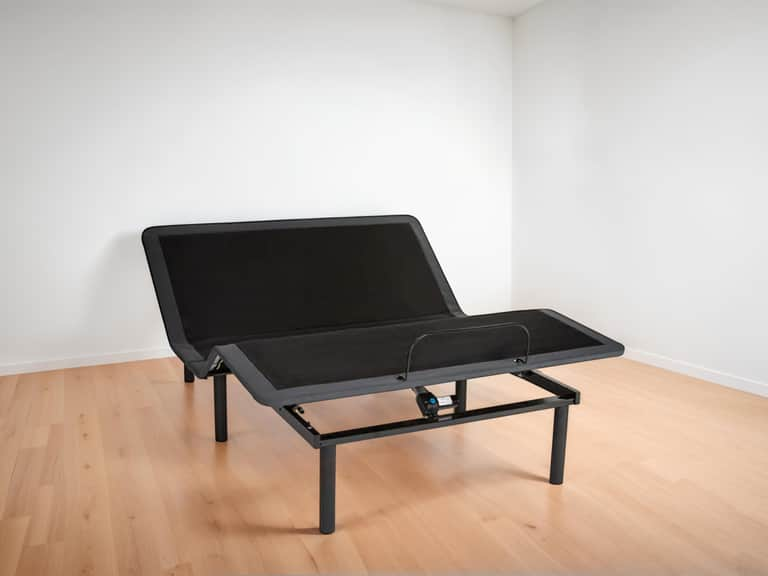
Layer thickness can affect ventilation indirectly. A deeper comfort layer may change how closely the mattress conforms to the body and how much of the surface is in contact with it. Cover fabric and quilting can add another layer of insulation or alter the feel of the surface. Bed frames and foundations matter as well: a solid platform, slatted base, or other support can have different ventilation characteristics. Always check the mattress maker’s foundation guidance, since an unsuitable base may affect performance or warranty coverage.
Sheets and duvet weight are practical variables, not decorative footnotes. Linen and cotton differ in texture, weave, and how they handle moisture. A breathable sheet cannot change the mattress’s internal construction, but it can change the sensation at the skin. If a bed feels too warm, it may be worthwhile to assess bedding layers and room conditions before attributing the problem entirely to the mattress core.
Latex compared with traditional mattress fillings
Before foam became a familiar feature of modern mattresses, beds relied on materials such as cotton, wool, horsehair, and other fibers. These fillings do not all behave alike, and “traditional” can refer to very different constructions. Some older mattresses used layered or tufted fibers; some contemporary beds combine natural fillings with a latex core or other support materials. A comparison is most meaningful when it considers both the material and the way the mattress is assembled.
Horsehair has a long history in upholstery and bedding. Its springy fibers can be used as a resilient filling, often in carefully layered constructions. Wool is valued in bedding for its insulating and moisture-handling qualities, and it may appear as batting, quilting, or a more substantial filling. Cotton is used in batting and covers, where it contributes a comparatively familiar, natural-fiber feel. These descriptions are broad: fiber preparation, layer thickness, tufting, cover fabric, and maintenance all affect the finished bed.
Latex differs from loose or carded fiber fillings in its behavior as a continuous foam layer. It can respond evenly across a broad area while recovering after compression. Fiber-filled constructions may feel less like a single resilient slab and more like a layered, compacted bed whose character depends on the fillings and their arrangement. A well-made traditional mattress can be comfortable; a latex mattress can be comfortable. Neither category guarantees a particular level of durability, temperature comfort, or bodily support.
Care requirements can be a decisive difference. Some wool-filled mattresses are intended to be aired or spot-cleaned rather than washed; other products may have removable covers or specific care directions. Latex components also have their own handling and cleaning limits, and the cover may not be washable even if it can be unzipped. Before buying, read the actual care instructions rather than relying on assumptions about what “natural” materials can tolerate. A mattress is a large, long-lived household object, and its cleaning routine deserves attention before a stain makes the question urgent.
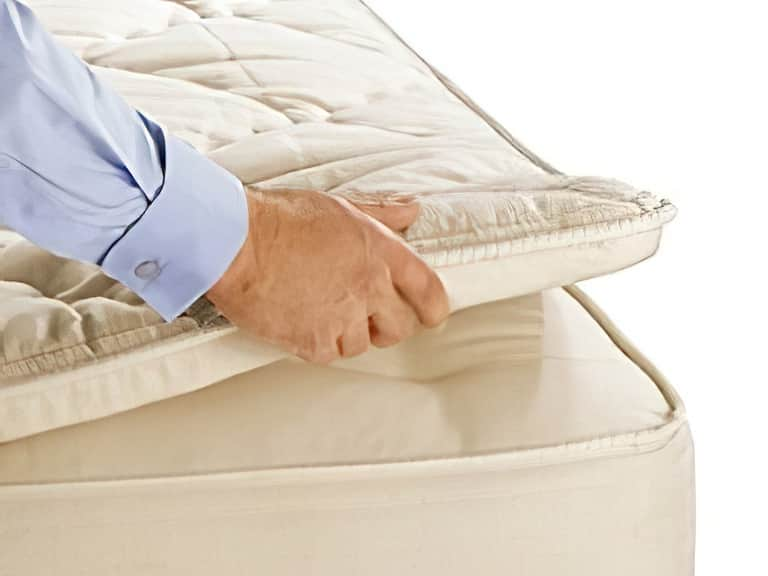
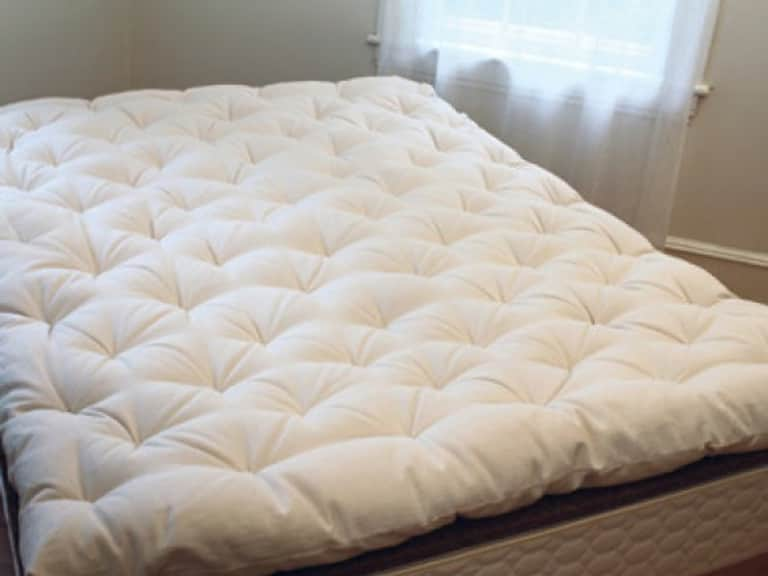
For readers interested in a hybrid of materials, the Royal-Pedic Natural Collection two-inch pillowtop pad is described as combining natural Dunlop latex with French wool and a cotton casing. It is a separate cushioning layer rather than a full mattress, so it is best understood as an example of how latex and traditional fillings can be placed together—not as a direct stand-in for a layered latex mattress. Its construction illustrates a broader point: material names become useful only when paired with a clear account of where each material sits and what role it serves.
Natural, synthetic, and the language of sourcing
The word “latex” may refer to different formulations and sources. Some latex is made using natural rubber; other products may contain synthetic latex or blends. Manufacturing methods also differ. Labels such as Dunlop and Talalay describe common processes, but a process name alone does not tell a shopper how a particular mattress will feel, how long it will last, or whether its construction aligns with personal priorities. The specifications should state what kind of latex is used and where it appears.
It is sensible to ask for a complete material list, including the cover, quilting, adhesives if relevant, and any non-latex layers. Certifications may provide information about particular materials or manufacturing criteria, but their scope varies. A certification should be read as evidence about the specific standard it covers, not as a blanket guarantee about every aspect of a product. If environmental impact is central to the decision, consider sourcing and manufacturing information alongside the mattress’s expected useful life, repairability, and end-of-life options.
Natural materials are not automatically free from sensitivities, and synthetic materials are not automatically harmful. People with known allergies or sensitivities should review product disclosures and consult an appropriate health professional when necessary. The practical goal is transparency: knowing what is in the mattress, how the materials are described, and whether the maker can answer specific questions without substituting general assurances for details.
How to evaluate a mattress layer by layer
When comparing options, take the same questions to each description. Consistent questions help distinguish an actual construction difference from a difference in marketing language.
- What is the complete composition? Look for the materials in the cover, quilting, comfort layers, support core, and any added pads.
- How thick is each layer? A total mattress height does not reveal how much latex is used or where it is positioned.
- What is meant by “firm” or “plush”? Ask whether the description refers to a tested scale, a general feel category, or a retailer’s own terminology.
- How is the mattress supported? Confirm that the proposed foundation is compatible with the mattress and provides the support required by its maker.
- What can be cleaned or replaced? Check whether the cover is removable, whether components can be serviced, and which cleaning methods are permitted.
- What do the trial and warranty actually cover? Read the terms, exclusions, return conditions, and any foundation requirements before treating them as evidence of fit or longevity.
- Can the materials be verified? Look for specific composition and sourcing information, and distinguish product facts from broad claims about health or sustainability.
If possible, test a mattress in a way that reflects ordinary use. Lie in the positions you normally sleep in, allow enough time to notice pressure and ease of movement, and pay attention to how the whole body feels rather than to the first few seconds of softness. A showroom test cannot reproduce an entire night, but it may reveal whether a surface feels too firm, too yielding, or unusually difficult to move across.
What the layer diagram cannot tell you
A materials list is useful, but it is not a sleep test. Two people can have different impressions of the same mattress because of differences in body shape, preferred sleep position, sensitivity to pressure, or expectations about firmness. A mattress that feels wonderfully buoyant to one sleeper may feel too springy to another. Likewise, a bed that appears well ventilated on paper may not resolve an individual’s experience of overheating.
Construction details also cannot establish that a mattress will improve a medical condition. It is reasonable to consider comfort and alignment when choosing a sleep surface, but claims to prevent or treat pain, allergy, or another health problem require evidence and careful interpretation. Anyone dealing with persistent pain or a significant sleep concern should seek advice from a qualified health professional rather than relying on a material description.
Durability, too, resists tidy predictions. It depends on material quality, construction, usage, care, the foundation, and what a manufacturer’s warranty defines as a defect. A resilient layer may recover after pressure, but that fact alone does not establish how a whole mattress will perform over time. Clear specifications and realistic care instructions are more useful than sweeping promises.
A final way to think about support
Latex’s appeal lies partly in its contrast: it gives way, then answers back. In a mattress, that character can be shaped by every layer around it. A responsive comfort layer over a stable core may feel different from a thick, soft latex surface over a more yielding foundation. Cover materials, quilting, bedding, and ventilation all contribute to the experience. Even the most precise description cannot quite convey the sensation of lying down and shifting position.
For those comparing latex with horsehair, wool, cotton, or other traditional fillings, the helpful question is not which material has the most romantic history or the most persuasive adjective. It is what the finished construction does, how it is maintained, and whether its known materials and feel suit the sleeper. A careful mattress description should make those answers easier to find. If it does not, the missing detail is itself worth noticing.
There is no single ideal arrangement of layers. The best-informed choice is the one made with a clear view of the mattress as a system: surface, cushioning, support, airflow, foundation, and care. Once those pieces are visible, “latex” becomes less a verdict than a starting point for asking better questions.