Bedding · Mattress construction · Natural materials
What to Look for in a Vispring Mattress: Layers, Support, and Longevity
A traditional mattress can look reassuringly simple from the outside: a handsome fabric cover, a carefully finished edge, perhaps a discreet label. Inside, however, comfort is a negotiation among springs, fillings, upholstery, and the sleeper’s own body. Understanding that construction—not just the name attached to it—makes it easier to judge whether a Vispring mattress, or any similarly layered design, is likely to suit you.
Vispring is associated with the British tradition of hand-built pocket-sprung mattresses and natural upholstery materials. That association gives a prospective buyer a useful starting point, but it does not settle the practical questions. How does the mattress support your particular shape and sleeping position? What are its fillings, and how are they arranged? Can it be turned, rotated, or repaired? And what does “natural” tell you about the materials—and what does it leave unsaid?
These questions matter because a mattress is not a single material with a single job. Its springs may provide the principal underlying support; layers above them help distribute pressure and soften the first impression; the cover encloses the assembly and affects its finish. A design can combine resilience, cushioning, and airflow, but the result depends on the complete build. The most useful approach is therefore neither to dismiss brand claims nor to take them on trust. It is to ask for specifics, then relate those specifics to your own needs.
Start with the layers, not the legend
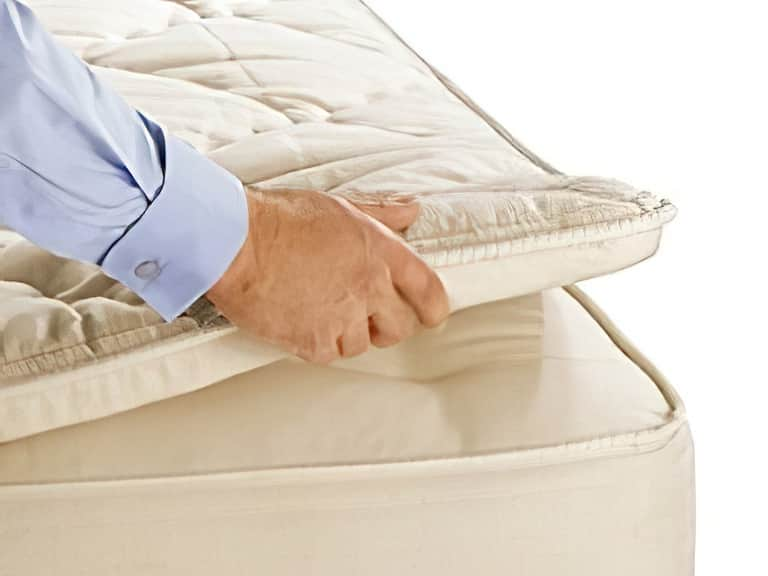
A layered mattress is best understood as a small system. In a pocket-sprung construction, individual springs are usually housed in fabric pockets, allowing them to compress with some independence from their neighbors. Above and around that spring unit, makers may use combinations of wool, cotton, horsehair, other fibers, or additional upholstery materials. The cover holds the construction together, while stitching, tufting, and edge reinforcement can affect how it keeps its shape.
The order and quantity of these materials influence the way a mattress feels. A resilient layer may help the surface recover after compression; a softer one may make the first contact feel more cushioned. A breathable fiber can help manage moisture and heat at the surface, though warmth and comfort depend on the whole bed, the room, bedding, and the sleeper. It is tempting to treat a list of fillings as a verdict. In reality, the same fibers can behave differently when used in different amounts, positions, or combinations.
Ask for a layer-by-layer description rather than a general phrase such as “natural upholstery.” Find out what the fillings are, where they sit, and whether the maker can describe their role. If a construction includes horsehair, for instance, ask whether it is used as a distinct layer or blended with other fibers, and what the manufacturer says it contributes to that particular build. Horsehair has a long history in upholstery and bedding, but its presence alone cannot tell you whether a mattress will feel firm, cool, supportive, or durable.
Clear disclosure is more useful than grand language. A seller should be able to distinguish the spring unit from the upholstery layers and explain which parts of the mattress are made from which materials. If details are unavailable, treat that as a limit on what you can confidently compare. “Natural,” “traditional,” and “handmade” describe broad qualities, not a complete specification.
Support is personal—and it is not the same as firmness
Mattress support is often discussed as if it were a simple scale, with soft at one end and firm at the other. But the feel of a mattress and the way it supports a body are related without being identical. A surface can feel plush while still providing substantial support beneath, or seem firm at first contact yet leave pressure concentrated at the shoulder or hip. Your weight, proportions, preferred sleeping position, and movement through the night all affect the result.
Side sleepers commonly need enough give at the shoulder and hip to avoid a feeling of pressure, while still wanting the body to remain comfortably aligned. Back sleepers may prefer a surface that supports the trunk without making the lower back feel suspended or strained. Stomach sleepers often have different preferences again. These are useful starting points, not rules: people vary, and a mattress cannot be judged from sleeping position alone.
If possible, test a mattress for more than a few minutes. Lie in your usual position, and give your body time to settle. Notice whether your shoulder and hip feel compressed, whether you sense a gap beneath your waist, and whether turning over requires effort. For couples, test together. A shared mattress has to accommodate two bodies and may need to limit disturbances when one sleeper moves. Ask whether the model comes in different firmness options, and clarify whether those options reflect changes to the spring unit, the upholstery, or both.
A useful test is less about finding a supposedly universal “correct” posture than about noticing persistent discomfort. Does one part of the body seem to bear too much pressure? Do you feel supported without being held rigidly in place? If you wake with discomfort, remember that a mattress is only one possible factor; pillows, an existing health condition, sleep habits, and other parts of the sleep environment may matter as well. Mattress information is not medical advice, and persistent pain deserves discussion with a qualified health professional.
What natural fillings can—and cannot—tell you
Natural fibers are not interchangeable, and none guarantees a particular sleep experience. Wool is often used as a soft upholstery material and is known for its capacity to absorb moisture. Cotton may appear in covers or padding. Horsehair has historically been valued in upholstery for its springy character and ability to be worked into layered constructions. But a material’s reputation cannot substitute for knowing how it is used in the mattress in front of you.
The amount, preparation, and arrangement of each filling can change the feel. A thin layer of one fiber will not behave like a deep, densely packed layer of the same fiber. A material can also be blended, treated, or covered by other materials. If sensitivities, chemical exposure, or environmental concerns are part of your decision, ask precise questions about the complete product—not only its most appealing ingredient. Request information about the cover, adhesives or treatments where relevant, and any certifications the maker cites. Check what a certification actually covers rather than assuming it applies to every component or every claim.
“Natural” also does not mean universally suitable for allergies. People respond to different substances, and dust, humidity, and care routines affect the bedroom environment. If you have a known allergy or sensitivity, seek detailed material information and consult an appropriate clinician when necessary. A broad claim such as hypoallergenic should not be treated as a personal guarantee.
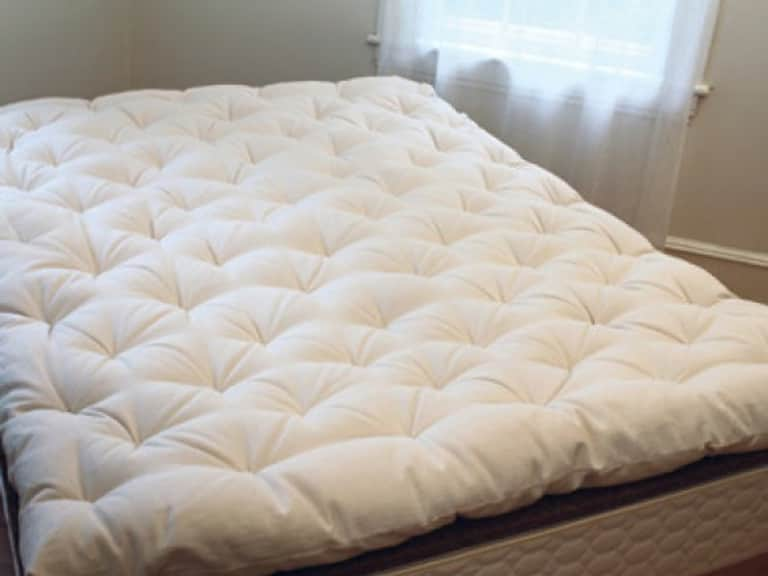
For context, a natural-filling mattress need not use springs at all. The Savvy Rest Pastoral Wool Mattress, for example, is a 4.5-inch latex-free mattress made with GOTS-certified organic wool batting in a tufted organic cotton cover. It provides a useful point of comparison for understanding how a wool-only construction differs from a deeper, spring-based design. The two approaches are not direct substitutes for every sleeper: their heights, construction, and likely uses differ, so compare them according to the foundation, support, and feel you actually need.
Airflow, warmth, and the whole sleep system
Breathability is one reason readers investigate natural mattress fillings, but airflow is not a property that can be judged from one fiber in isolation. The cover, upholstery, spring arrangement, mattress protector, sheets, duvet, and room conditions all contribute to the sleep surface. A mattress that feels comfortable in one season or bedroom may feel different under heavier bedding or in a warmer climate.
When comparing models, ask how the construction is intended to manage heat and moisture, and be cautious about claims that promise a particular temperature outcome for everyone. “Cooler sleep” is an experience, not a guaranteed measurement. If you tend to sleep hot, consider the complete set-up: breathable sheets, a suitable duvet weight, room ventilation, and a protector that does not unnecessarily alter the surface feel. The choice of sheet weave and fiber can change the first impression of a bed, though it cannot correct a mattress that does not suit your support needs.
Longevity begins with construction and continues with care
A traditional mattress may be designed for long service, but longevity is not a single material’s achievement. It depends on the quality and arrangement of its components, how consistently the mattress is supported, the sleeper’s use, and whether care instructions are followed. A dense-looking mattress is not automatically a durable one, just as a long warranty does not promise that the mattress will remain comfortable for every person throughout the warranty period.
Before choosing a model, ask whether it should be turned over, rotated head-to-foot, or left in one orientation. These instructions vary by construction. Some mattresses are designed with a single sleeping surface; others may be double-sided. Do not assume that flipping is beneficial simply because it is possible. Follow the maker’s guidance, and ask what the warranty requires in terms of foundation, routine care, or proof of purchase.
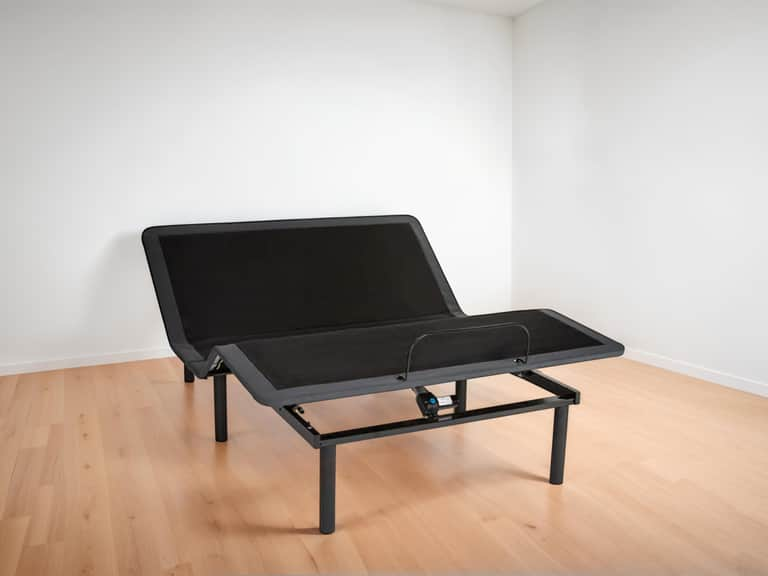
The base matters. A mattress needs an appropriate, stable foundation that suits its design and maintains support across the surface. Confirm the recommended type and spacing of slats, if relevant, and check that the frame is level and in good condition. An unsuitable base can undermine the feel of even a carefully constructed mattress. When a mattress is heavy, plan for its handling in advance; moving or turning it may be a two-person task.
Protect the mattress with a breathable, well-fitting protector if the manufacturer allows one. A protector can help limit ordinary staining and soiling, but it also changes the surface slightly, so consider its effect on feel. Air the bed as directed, keep it dry, and avoid applying cleaning products unless the maker’s instructions permit them. If a spill occurs, consult the care guidance promptly rather than soaking the upholstery. Natural fillings can be difficult to clean at home, and excessive moisture may create problems inside a layered construction.
Ask the retailer to explain the warranty in plain language. Distinguish manufacturing defects from gradual changes in comfort, and find out what counts as an acceptable body impression or normal wear. Confirm the warranty period, exclusions, transferability, and any maintenance conditions. These details are not glamorous, but they are part of the ownership experience.
A practical checklist for comparing Vispring designs
A calm comparison is easier when the questions are written down. Use the same questions for each model, and record the answers rather than relying on memory after visiting several showrooms.
- What is inside? Request a clear description of the spring unit, upholstery layers, cover, and any blended or treated materials.
- How is the mattress constructed? Ask how the layers are arranged and what the maker says each one contributes.
- What support options are available? Clarify how firmness choices differ and whether they relate to springs, fillings, or both.
- Does it suit your sleep position? Test it in your usual position and pay attention to pressure, alignment, and ease of movement.
- Can you test it at home? Check the trial period, return conditions, fees, and how a returned mattress is handled.
- What foundation is required? Confirm compatibility with your bed frame and any requirements that affect warranty coverage.
- How should it be maintained? Get written guidance on turning, rotation, airing, cleaning, and protectors.
- What does the warranty cover? Ask about wear, impressions, defects, exclusions, and documentation.
- Which material claims can be verified? Request the scope of certifications and the source of claims about ingredients or sourcing.
A measured decision, rather than a prestigious one
A Vispring mattress may appeal to someone who values a traditional, layered construction and wants to investigate natural upholstery materials. Whether a particular design is right is a more personal question. The brand name cannot tell you how your shoulder will feel against the surface, whether the support matches your body, or whether the maintenance routine fits your home.
The strongest choice is usually the one you can understand. Look beyond a headline material and examine the layers as a whole. Test support in the way you actually sleep. Verify care requirements and warranty terms. Treat natural fillings as a reason to ask better questions, not as proof of universal comfort or environmental virtue. A mattress can be beautifully made and still be the wrong mattress for a particular sleeper.
In the end, the best evaluation is neither romantic nor cynical. Traditional craft, natural fibers, and carefully assembled layers may all be meaningful qualities. They simply need to meet the quiet, practical test of a night’s sleep: whether the bed supports you comfortably, behaves as described, and remains manageable to care for over time.