Comforters offer a versatile layering option for various sleeping environments, combining warmth, insulation, and breathability. Understanding fabric composition, loft, and fill weight helps select a comforter that maintains consistent warmth without overheating. In horsehairbeds, emphasis on natural materials and moisture management supports overall sleep quality and comfort throughout different seasons.
The category emphasizes materials that balance insulation with airflow, often utilizing natural fibers and engineered fills. Key features to consider include fill power, thread count of the exterior fabric, and durability under repeated washing. Comforters designed with breathable cores help regulate microclimate, reducing night sweats and promoting steadier body temperature.
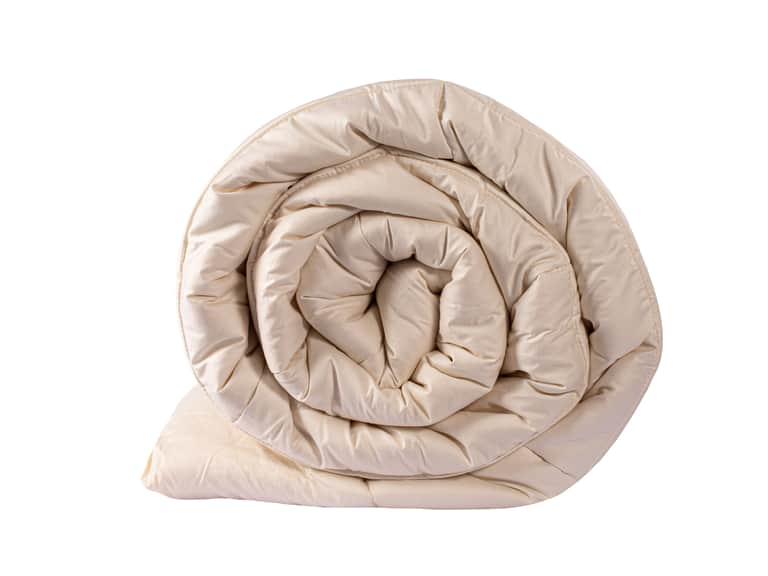
Among representative products, the Sleep and Beyond comforters illustrate varying warmth levels and construction. The myMerino Wool Comforter offers merino wool fibers for temperature regulation and moisture handling, while other options prioritize lightweight warmth or higher loft. These variations support individualized preferences for snugness and through-night comfort.
The category highlights practical benefits such as ease of care, hypoallergenic potential, and compatibility with diverse bedding ensembles, including pillows, sheets, and memory foam pillows. Proper pairing with top layers and bedding accessories can extend the life of a comforter and maintain a balanced sleep environment without sacrificing comfort.
In summary, comforters in this collection prioritize thermal regulation, durable construction, and material performance. By considering fill type, loft, and fabric quality, sleepers can better understand how a comforter contributes to restful sleep, while meta keywords like bedding, pillows, memory foam pillows, sheets, and latex remain integral to how this category is contextualized.
 Bedding